
Arrest Warrants in Warren County
Every arrest warrant in Warren County begins with a sworn complaint and a review by a magistrate. The magistrate examines the complaint and can issue an arrest warrant or a search warrant when the law's standard is met. From there the case may land in General District Court, Circuit Court, or JDR, depending on the charge and who is involved. The clerk for that court can identify the case file and walk you through its entries. Two online tools, Citizen Connect Criminal Papers Search and Virginia's Online Case Information System, offer public case details, though neither works as a full warrant-status service. For an official answer on an active warrant, ask the issuing court and the agency charged with serving it. Warren County records move through several hands, so one screen rarely tells the whole story.
Warren County Arrest Warrants Start With Magistrate Review
Every Warren County arrest warrant begins with a magistrate, not the trial court. The magistrate takes complaints, questions witnesses, and decides whether to issue an arrest or search warrant. Bail eligibility comes up at that first stage too. Once the warrant is issued, the case may move to a different court for later hearings. Warren County's Magistrate page lays out that role. Keep the court and case details from your paperwork close at hand, since the magistrate, the court, and the serving office each answer different questions.
What a Warren County Arrest Warrant Contains
Virginia Code § 19.2-72 spells out what an arrest warrant must contain. It has to identify the person or describe them, name the offense, and direct that the person be arrested and brought before the proper court. The issuing officer must sign it. Read the actual warrant, or ask the Warren County clerk about the filed document. A search result often shows less detail than the paper itself.
| Person | Name the accused or provide a description sufficient to identify them. |
|---|---|
| Offense | The warrant states the offense for which arrest is directed. |
| Direction | It orders arrest and appearance before the proper court. |
| Issuance | The authorized issuing officer signs the warrant. |
| Case link | the Warren County clerk can identify the court file, number, and later return information. |
The statute text is the source for warrant requirements.
Warren County Arrest Warrants and Service Officers
Serving an arrest warrant is its own job in Warren County. Warren Sheriff's Office Civil Process lists warrant service among its duties, and Virginia law lets a sheriff or deputy execute an arrest warrant anywhere in Warren County plus the town it surrounds. Local police may also execute process directed to them. Remember that the serving agency can differ from the court keeping the case. For a service question, call Civil Process at 540-635-2074; the sheriff's main line is 540-635-4128. Front Royal Police sits at 900 Monroe Avenue, reachable at 540-635-2111 for its local public-safety role. For case status or a court date, go through the issuing clerk instead.
Warren County Sheriff's Office, Civil Process
200 Skyline Vista Drive, Front Royal, VA 22630
540-635-2074
How Arrest Warrants Are Served
The division of labor matters here. The Warren County clerk keeps the court record, while the sheriff or another directed officer serves it. Warren County publishes no separate public warrant-unit window, no walk-in surrender schedule, and no dedicated warrant hotline. Warren County Sheriff's Office Civil Process is the named sheriff contact, and the Warren County courthouse runs separate Court Security and Court Holding functions. Warren County's Court Security and Court Holding information describes courtroom security and prisoner transport, not warrant searches, and it cannot replace the Warren County clerk. Contact the particular agency for its own role. Save the emergency line for emergencies, not records questions.
Warren process path: magistrate review → issuing court's file → Warren County Sheriff's Office Civil Process or the officer directed to serve → proper court appearance.
Arrest Warrant vs Summons vs Bench Warrant
The paper's title carries real weight. A summons directs a person to appear, without the arrest command. An arrest warrant follows a probable-cause review and tells officers to bring the person before the proper court. A bench warrant or capias grows out of a court case or order, often after a missed appearance in Warren County. Each shows up in different records.
| Document | Starting point | First Warren contact |
|---|---|---|
| Summons | Notice to appear | Court printed on the paper |
| Arrest warrant | Probable-cause complaint review | Issuing court and service agency |
| Bench warrant or capias | Existing case or court order | Clerk that set the appearance |
Never assume a summons became a warrant. In Warren County, only the court can confirm a later process entry.
Warren County Arrest Warrants Need a Current Court Check
A public case hit has limits. It may show a charge or hearing in Warren County but miss a current warrant, a service return, a bond, or later court action. A blank result can mean the case sits in a different court, or that redaction, a sealed matter, juvenile confidentiality, or a delay is at work. Call the Warren County clerk listed on the notice and ask what the file shows now.
Do not rely on a single screen. Ask the issuing clerk about status and return court, then call Warren County Sheriff's Office Civil Process if service is part of the question.
Virginia's record rules and court access limits keep some details out of view. No private search product can confirm an active warrant in Warren County.
Warren County State and Federal Warrants Follow Different Routes
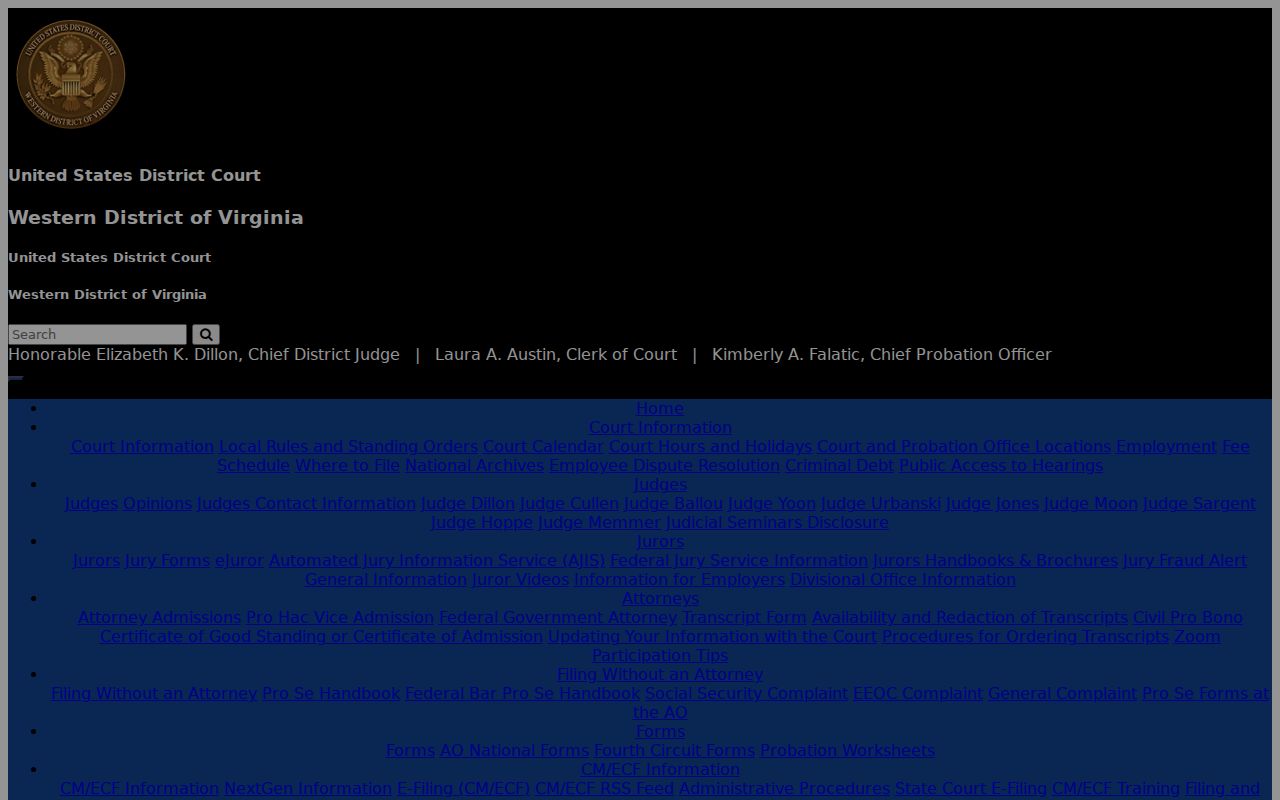
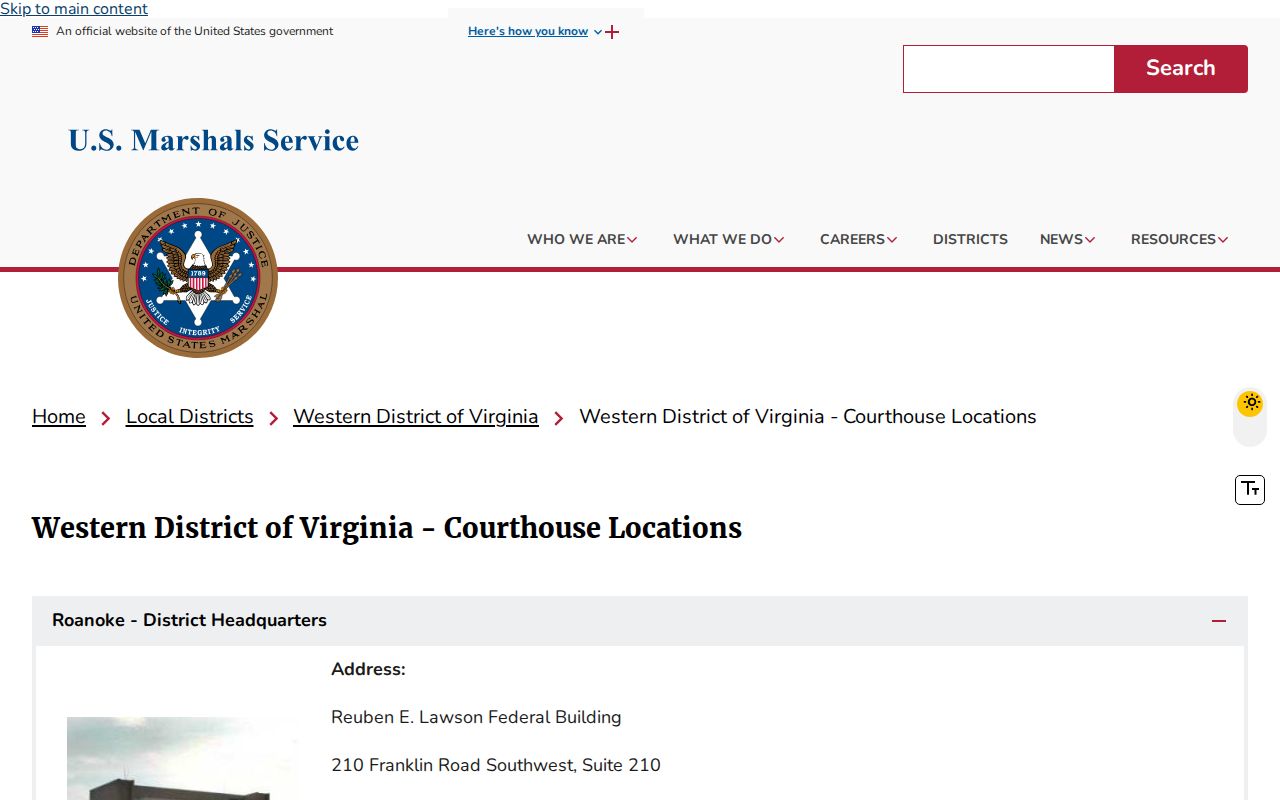
Federal warrants run on a separate track. Virginia case information is not a federal docket and not a national warrant search. Warren County sits in the Harrisonburg Division of the U.S. District Court for the Western District of Virginia, so federal court records and federal service contacts follow a path apart from Warren County GDC, Circuit, and JDR. A county screen cannot tell you whether a federal matter exists. The Western District court site serves as that separate court reference, and the U.S. Marshals district contact page lists federal courthouse locations and contacts.
For courthouse locations, check the official Marshals courthouse page. It is a locations list, not a Warren County warrant list.
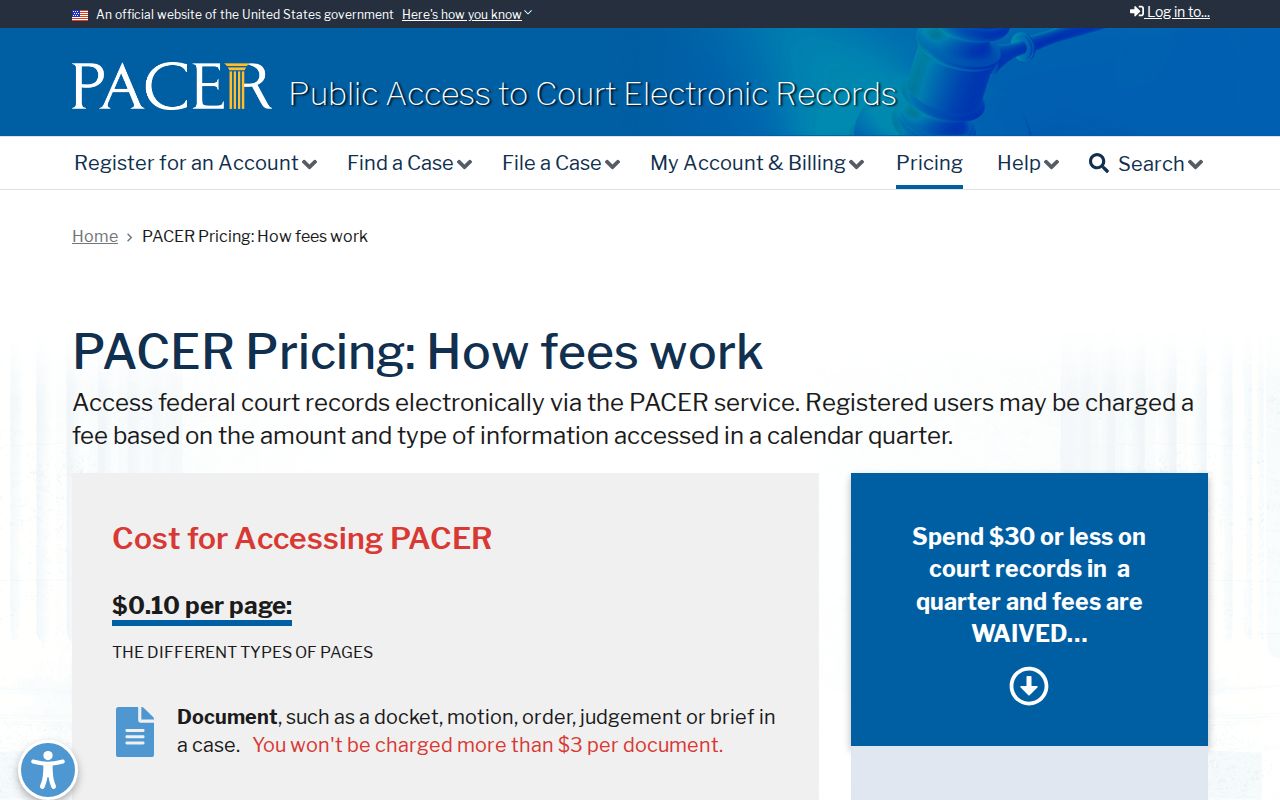
The PACER pricing page covers federal docket search and document fees. Those costs sit apart from Warren County bond or warrant costs.
Confirm a federal process question through the federal court or agency that owns it.
What to Do If There Is a Warrant for You
Suspect an active warrant has your name on it? Get a lawyer involved early, then call the clerk of the issuing court in Warren County. Keep the case number, the court name, and the date handy when you do. The clerk can tell you whether the warrant carries a bond instruction or demands an appearance. That office explains what the record says. It cannot tell you whether to surrender or which argument to raise, so lean on your lawyer for that.
Warren County has no published public surrender window. Do not assume a routine office visit will clear process; verify the court's direction first.
Already under arrest? Then the question shifts from warrants to custody. Rappahannock-Shenandoah-Warren Regional Jail books Warren County detainees, and its booking lines are 540-622-8620 and 540-622-8683. Ask the jail about an inmate and the Warren County court about a warrant or a court date.
Warren County Arrest Warrant Records Have Access Limits
Warren County arrest warrant records sit in a gray zone. Virginia's Freedom of Information Act opens most agency records, yet a warrant file can mix court and sheriff material governed by different rules. Active investigations, sealed cases, and juvenile records may be withheld or partly redacted. Search-warrant affidavits follow their own timing and sealing rules too. Ask the office holding the specific item, and never assume every page is public.
Useful statutes:
Virginia Code § 19.2-72 describes arrest-warrant contents.
Virginia Code § 2.2-3706 sets law-enforcement disclosure rules.
Virginia Code § 16.1-301 addresses juvenile record confidentiality.